
Diabetes and Dietary Supplements: What You Need To Know

About 11 percent of people in the United States have diabetes. Most people have Type 2 diabetes, a condition in which the body does not use insulin effectively and cannot keep blood sugar within a healthy range.
Many individuals look to dietary supplements for help in managing their condition. But what does the research really show?
Much of the information below is based on guidance from the National Institutes of Health (NIH).
What Does Research Say About Supplements and Diabetes?
Researchers have studied many dietary supplements to see whether they may help prevent or manage Type 2 diabetes or its complications.
Some supplements have shown weak evidence of possible benefit, including:
Chromium, cinnamon, and berberine – may slightly improve blood sugar control in some people
Alpha-lipoic acid – may help reduce nerve pain associated with diabetic neuropathy
However, most studies on these supplements have important limitations, including:
Small sample sizes
Differences in dosage and formulation
Short study periods
Inconsistent results
Because of these issues, researchers have not reached clear or reliable conclusions.
For most dietary supplements, there is no strong scientific evidence that they improve diabetes or prevent complications.
Are Dietary Supplements Safe for People with Diabetes?
Safety is a major concern when it comes to supplements.
Some products can cause serious side effects, including kidney damage and dangerous interactions with prescription medications.
The U.S. Food and Drug Administration (FDA) has warned consumers about diabetes products that claim to:
“Cure diabetes naturally”
“Replace insulin or medication”
“Reverse diabetes permanently”
These products are marketed illegally. Some are harmful on their own, and all are dangerous when used instead of proven medical treatment.
Why Proven Medical Care Matters
It is very important not to replace medical treatment with unproven supplements or alternative products.
Managing Type 2 diabetes safely requires:
Regular medical follow-up
Evidence-based medications when needed
Lifestyle guidance
Monitoring blood sugar levels
Professional support
Supplements should never take the place of care recommended by your healthcare provider.
Practical Tips Before Using Any Supplement
Before starting any dietary supplement, consider these important steps:
Talk with your healthcare provider first
Bring all supplement bottles to your appointments
Ask about possible side effects and interactions
Never stop prescribed medications without medical guidance
Report any new symptoms right away
These simple steps can help protect your health and prevent complications.
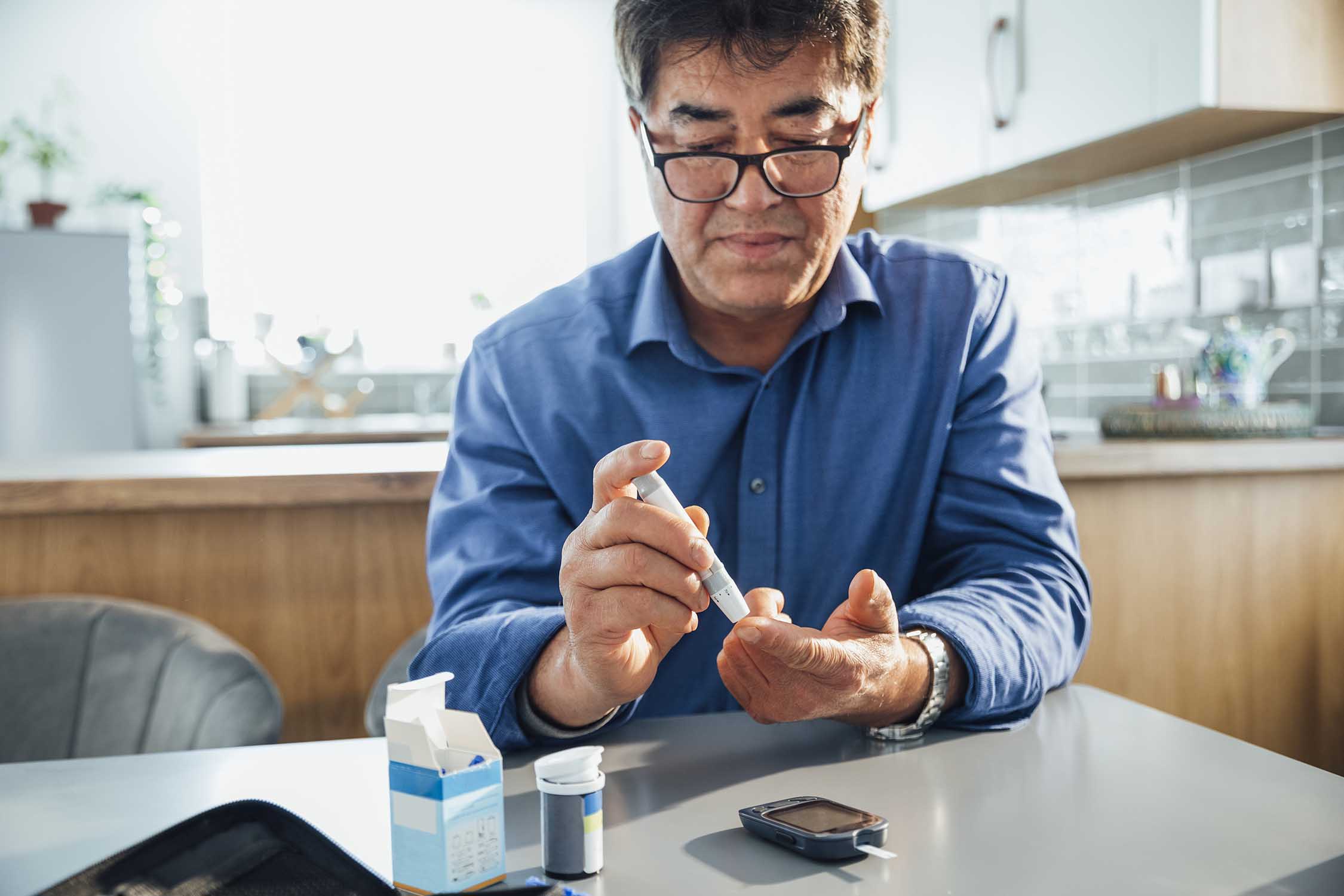

Telehealth Support for Diabetes Care
At MEM Health Promotion Services, we use secure telehealth visits to make high-quality diabetes care more accessible.
Through virtual appointments, you can:
Discuss supplement use safely
Review your treatment plan
Receive personalized guidance
Ask questions in a comfortable setting
Stay connected to your provider
Telehealth allows us to reach more patients who need ongoing support, especially those managing chronic conditions like Type 2 diabetes.
How MEM Health Promotion Services Can Help
At MEM Health Promotion Services, we believe everyone deserves quality care that fits their life.
Our goal is to provide care that is:
Accessible
Affordable
Evidence-based
Patient-centered
We are committed to helping you manage diabetes safely, responsibly, and with confidence.
Final Thoughts
Your health is worth protecting. While dietary supplements may sound appealing, most have limited evidence and potential risks. Proven medical care remains the foundation of safe diabetes management.
If you have questions about supplements, treatment options, or virtual care, MEM Health Promotion Services is here to support you every step of the way.
Together, we can make managing your health easier, safer, and more effective—because your well-being truly matters.


